

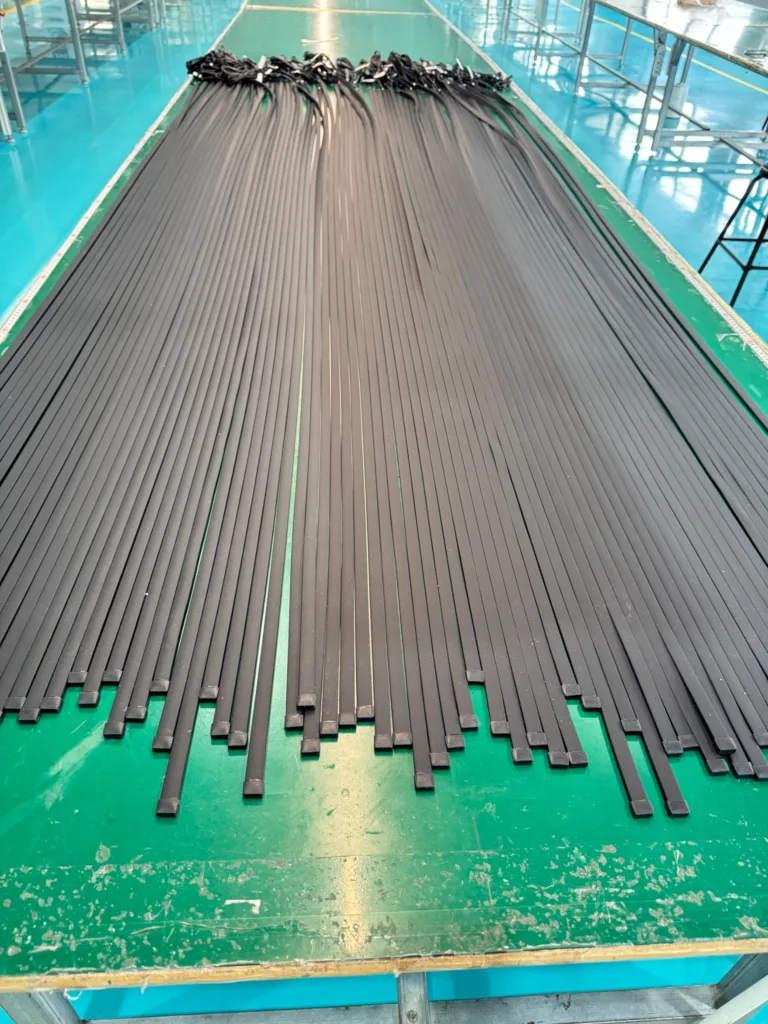
Many people think they're making a smart choice when picking LED strip lights. But I've learned from years of working with contractors that most selection mistakes happen right here—at the very beginning.
When you choose LED strip lights based only on brightness or price, you're setting yourself up for failures that won't show up until 6-12 months later. The real question isn't "which strip is brightest?" but "which system will survive real-world conditions without constant maintenance?" This article breaks down the five engineering factors that separate short-term solutions from long-term reliability.

I'm going to share something that might change how you approach your next lighting project. Because what looks good in a sample box rarely tells you what will happen after a year of continuous operation.
Why do most LED strip selections fail within the first year?
I once worked with a retail chain that installed what seemed like perfect LED strips. High CRI, 3000K, IP65 rated, proper aluminum channels, and 20% driver overhead.
Most LED strip failures aren't caused by poor quality—they're caused by wrong selection logic. The three hidden failure points are: material batch inconsistency, thermal stress accumulation, and long-term sealing degradation. These issues are invisible during installation but become critical after 6-18 months of operation.
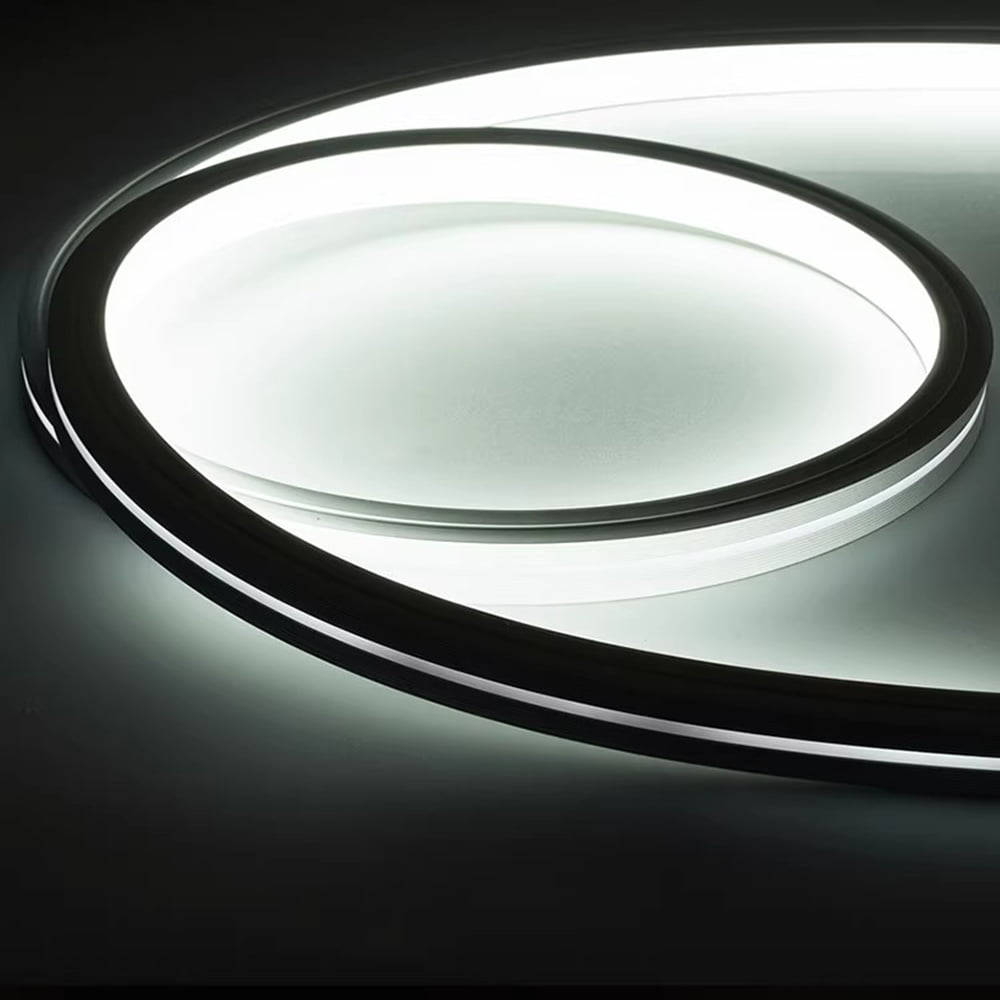
The stores looked great at first. Then problems started appearing:
Some locations showed visible dimming. Different restock batches had mismatched color temperatures. A few strips developed slight yellowing. Several end connections failed from water ingress.
Everyone blamed "supplier quality issues." But when we actually investigated, we found something more fundamental. The selection process itself was flawed from day one.
Let me break this down into three layers of problems:
Layer 1: Material System Inconsistency
The LED chip bins weren't locked between batches. This means each new order could have slightly different color temperatures. When you install them next to each other, customers notice. The human eye is incredibly sensitive to color differences—even a 50K shift in CCT becomes obvious in a retail environment.
Layer 2: Thermal Design Ignored
The aluminum channels provided some heat dissipation. But the lifespan calculations assumed ideal cooling conditions. Real-world installation meant the strips ran hotter than expected. Over months, this elevated junction temperature accelerated LED degradation. The strips didn't fail—they just dimmed faster than planned.
Layer 3: Static Protection Rating
IP65 sounds good on paper. It means the strip passed water and dust tests in lab conditions. But what about after 100 thermal cycles? What happens when the silicone expands and contracts repeatedly? The sealing integrity drops. Six months in, some end caps started leaking.
Here's what I learned: these problems share one characteristic. They're completely invisible during acceptance testing. They only show up during months 6-18 of continuous operation.
What thermal factors actually determine LED strip lifespan?
People focus on lumens and CRI numbers. But I've seen countless projects where thermal management destroyed otherwise good strips.
LED strip lifespan isn't limited by the LED chips—it's limited by junction temperature. And junction temperature isn't controlled by the chip—it's controlled by the entire thermal pathway from PCB to ambient air. A 10°C increase in operating temperature can cut lifespan by 50%.

Here's the reality: light degradation isn't an LED problem. It's a heat problem. And heat isn't an LED problem either—it's a structural heat dissipation problem.
Let me give you a practical example. We had a project with 24V strips rated for 50,000 hours. The manufacturer's data showed L70 at 50,000 hours. Sounds great, right?
But look closer at the test conditions: 25°C ambient temperature, free air circulation, no enclosure.
Now compare that to actual installation: installed in shallow aluminum channels, mounted against ceiling surfaces, limited air flow, summer ambient temperatures hitting 35°C.
Thermal Design Priority Table:
| Factor | Lab Condition | Real Installation | Temperature Impact |
|---|---|---|---|
| Ambient Temp | 25°C | 30-40°C | +15°C junction rise |
| Heat Sink | Open air test | Enclosed channel | +20°C junction rise |
| Density | Single strip | Multiple strips | +10°C junction rise |
| Operating Hours | 12h/day | 18h/day | Cumulative stress increase |
Add these up and your junction temperature isn't running at the rated 85°C—it's running at 120-130°C. At these temperatures, LED degradation accelerates exponentially.
The calculation isn't complicated. For every 10°C increase above rated temperature, lifespan drops by approximately 50%. So a strip rated for 50,000 hours at proper temperatures might only deliver 25,000 hours in a poorly designed thermal environment.
This is why thermal design must come before optical parameters. A slightly less efficient LED chip in a properly cooled system will outlast a high-efficiency chip running hot.
How do material batch controls prevent long-term color shifts?
I want to tell you about a problem that most people don't think about until it's too late. You install perfectly matched strips. Six months later, you need to add more. The new strips don't match.
Material batch consistency isn't about "quality control"—it's about locking down five specific material systems: LED bin codes, PCB batch numbers, silicone gel formulations, phosphor compounds, and encapsulation processes. Without documented batch control, color matching after 6 months becomes impossible.
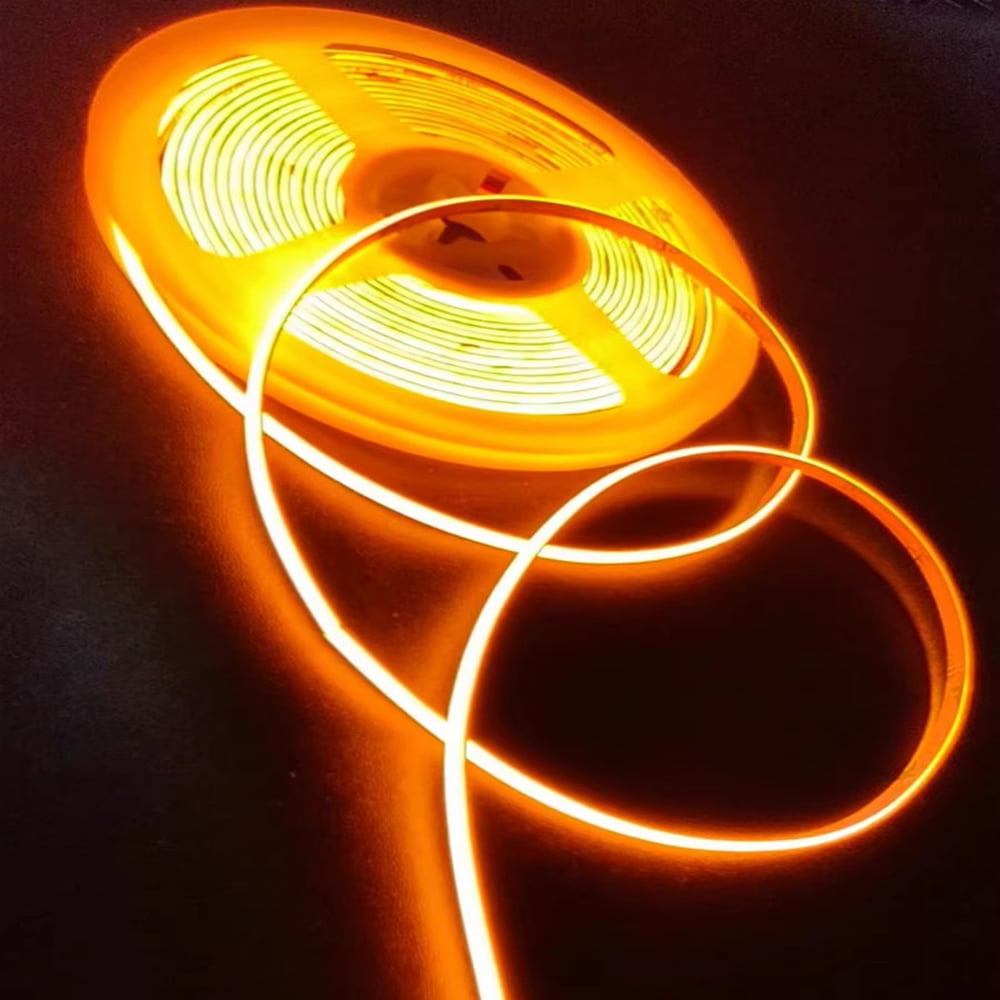
Here's what actually causes color shift:
LED Bin Variation
LEDs are manufactured in "bins"—groups sorted by color temperature and brightness. A 3000K LED might actually range from 2950K to 3050K. Within one batch, this is fine. But when you reorder months later, the new batch might be at the opposite end of the tolerance range. Install them side by side and the difference is obvious.
PCB Material Aging
The PCB substrate matters more than people realize. Different copper weights, different FR4 grades, different surface treatments—all affect thermal performance. And thermal performance affects color over time.
Silicone Formulation
For silicone neon flex, the extrusion compound is critical. Different silicone batches can have slightly different optical properties. They might look identical when new. But after UV exposure and thermal cycling, some formulations yellow faster than others.
Phosphor Consistency
The phosphor coating that converts blue LED light to white isn't perfectly uniform. Different phosphor batches can shift color temperature by 100-200K. This shift compounds with LED bin variation.
Here's my material traceability checklist:
| Component | What to Lock | Why It Matters |
|---|---|---|
| LED Chips | Exact bin code (5-digit) | Prevents CCT drift between orders |
| PCB Substrate | Material grade + copper weight | Ensures consistent thermal performance |
| Silicone/Coating | Batch formulation number | Controls yellowing rate and UV resistance |
| Phosphor | Compound specification | Maintains color rendering over time |
| Assembly Process | Temperature profiles | Affects long-term bonding stability |
Professional manufacturers can provide this documentation. If your supplier can't give you batch traceability, you're gambling on future color matching.
Why does structural flexibility matter more than initial brightness?
I learned this lesson the hard way. We had a project where strips were installed in rigid aluminum channels. Everything looked perfect. Then winter came.
LED strips must accommodate thermal expansion cycles. A 5-meter strip can expand/contract by 3-5mm across a 40°C temperature swing. If the mounting structure doesn't allow this movement, mechanical stress transfers to solder joints and encapsulation layers, causing micro-cracks that lead to gradual failure.
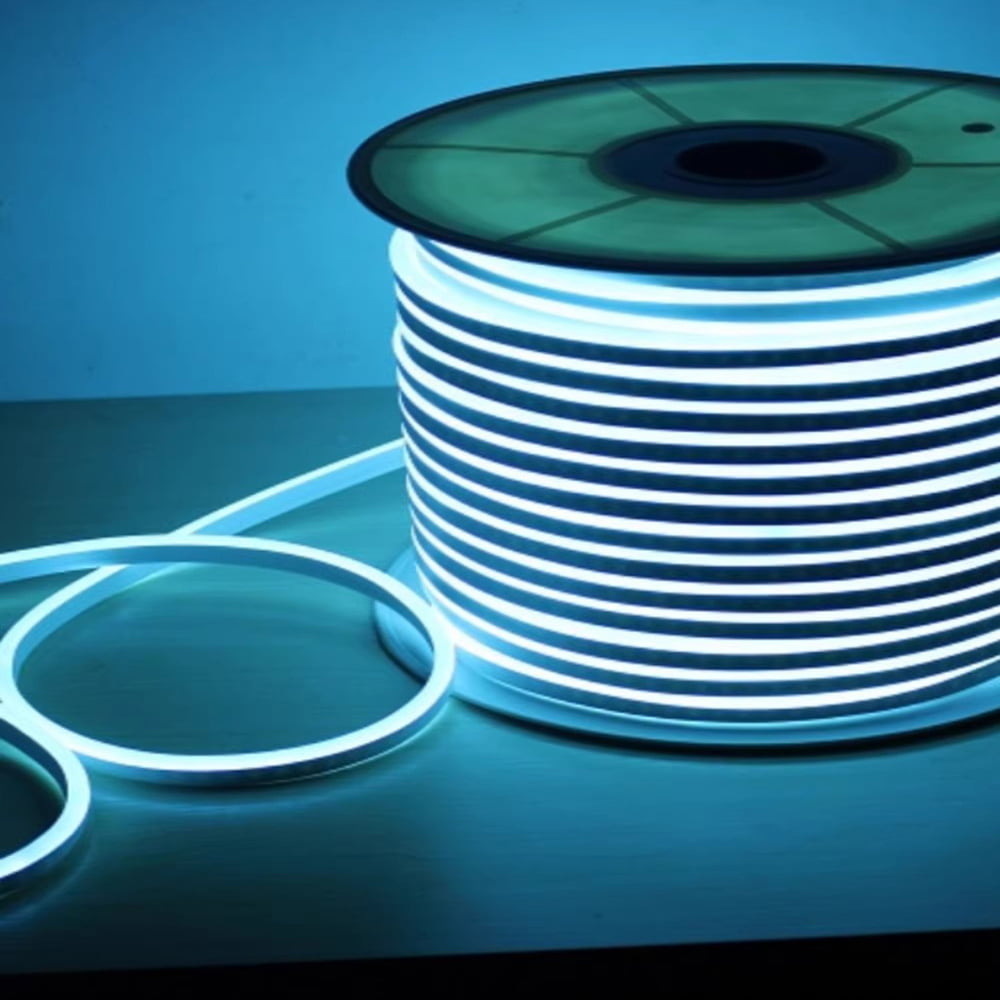
The strips started failing at the connection points. Not because of electrical problems. Because of mechanical stress.
Here's what happens: materials expand when hot, contract when cold. A copper PCB has one expansion coefficient. Silicone encapsulation has a different coefficient. The LED chips have yet another coefficient.
When temperature cycles repeatedly, these different expansion rates create internal stress. If the mounting system is rigid, this stress can't dissipate. Instead, it concentrates at the weakest points—usually solder joints or the LED-to-PCB interface.
Stress Failure Progression:
| Stage | Time Period | Observable Signs | Root Cause |
|---|---|---|---|
| Initial | 0-3 months | None visible | Stress accumulation begins |
| Early | 3-9 months | Occasional flicker | Micro-cracks in solder joints |
| Progressive | 9-18 months | Dimming sections | LED bond wire fatigue |
| Critical | 18+ months | Complete failure | Encapsulation delamination |
The solution isn't stronger mounting—it's flexible mounting. The structure must allow controlled movement. This is why high-quality installations use mounting clips with slight give, rather than continuous adhesive backing.
For silicone neon flex specifically, this flexibility is built into the material. But you still need to account for it in the mounting design. We typically specify one fixed mounting point per 2 meters, with sliding clips in between. This allows thermal expansion without creating stress concentration.
What makes IP ratings meaningless without long-term sealing stability?
Here's something that frustrates me about how IP ratings are marketed. Everyone talks about IP65, IP67, IP68. But these numbers only tell you what happened during a 30-minute test.
IP ratings measure momentary protection, not durability. An IP68 rating means the product survived a static pressure test for 30 minutes. It says nothing about sealing integrity after 100 thermal cycles, UV exposure, or mechanical vibration. Long-term waterproofing depends on material aging resistance, not initial test results.
I've seen IP68-rated strips fail in outdoor installations within a year. Not because they were poorly made. Because the sealing material degraded under real-world conditions.
Let me explain the failure mechanism:
Silicone or PU encapsulation seals the strip. Initially, it's perfectly waterproof. But then environmental factors attack it:
UV Radiation: Breaks down polymer chains in the encapsulation. The material becomes brittle. Micro-cracks form.
Thermal Cycling: The encapsulation expands and contracts at a different rate than the PCB. Repeated cycles create separation at the interface.
Mechanical Stress: Wind loading, vibration, or installation tension creates flex points. These points become weak spots in the seal.
Chemical Exposure: Salt spray in coastal areas, industrial pollutants, or even cleaning chemicals can attack certain encapsulation materials.
Degradation Timeline Comparison:
| Environment | Initial IP Rating | 1 Year Integrity | 2 Year Integrity | Critical Factor |
|---|---|---|---|---|
| Indoor controlled | IP65 | 95% | 90% | Minimal stress |
| Outdoor temperate | IP67 | 85% | 70% | UV + thermal cycles |
| Coastal/marine | IP68 | 70% | 50% | Salt spray corrosion |
| Industrial | IP68 | 65% | 45% | Chemical exposure |
At our facility, we specifically engineer our silicone neon flex for long-term stability. We use high-molecular-weight silicone that resists UV breakdown. We formulate for anti-yellowing. We test for salt spray resistance—not just during production, but after accelerated aging.
The question isn't "What IP rating do I need?" The real question is "How will this sealing system perform after 5 years in my specific environment?"
How should driver systems match actual load curves instead of just peak capacity?
This is the technical detail that most people get wrong. They calculate total wattage, add 20% overhead, and buy a driver. Then wonder why strips fail prematurely.
LED strip drivers must operate in their optimal efficiency zone—not just meet peak capacity. A driver running at 90% capacity is operating in its stress zone, generating excess heat and reducing lifespan. Professional installations target 60-70% driver loading, which extends both driver and LED life by 2-3x.

Here's what actually happens with driver loading:
Most drivers have a peak efficiency point around 60-80% of rated capacity. Below that, efficiency drops because of transformer losses. Above that, efficiency drops because of thermal stress and component saturation.
When you run a driver at 95% capacity, three problems occur:
Thermal Stress: The driver operates at maximum temperature. This accelerates electrolytic capacitor aging—usually the first component to fail.
Voltage Stability: At high loads, output voltage can droop slightly. This affects LED current, which affects both brightness and color temperature.
Inrush Current: When you first power on, inrush current can spike above steady-state current. A driver at 95% capacity has no margin to handle this spike safely.
Driver Loading Best Practices:
| Application Type | Recommended Loading | Why This Matters | Expected Lifespan Gain |
|---|---|---|---|
| Critical 24/7 | 50-60% | Lowest thermal stress | 3x rated life |
| Commercial daily | 60-70% | Balanced efficiency/life | 2x rated life |
| Residential | 70-80% | Cost-effective | 1.5x rated life |
| Temporary/event | 80-90% | Maximum output needed | 1x rated life |
There's another factor most people miss: LED strips don't draw constant current. When they first turn on, they're cold and have lower resistance. Current spikes. As they warm up, resistance increases and current stabilizes.
A properly sized driver must handle this current swing without voltage droop. This requires both adequate capacity and good voltage regulation.
For our large-scale projects, we typically specify drivers at 65% loading. Yes, it costs more upfront. But it eliminates a major failure mode. We've had installations running for 5+ years with zero driver failures using this approach.
Conclusion
Choosing LED strip lights isn't about finding the brightest or cheapest option. It's about building a system that survives real-world conditions for years. Focus on thermal design, material traceability, structural flexibility, long-term sealing, and proper driver loading—these five factors determine whether your installation succeeds or requires constant maintenance.