

I often hear this question from procurement teams working on large-scale architectural lighting projects. They believe knowing the production country will solve their project risks. But I have seen this assumption destroy more projects than protect them. The real question is not where LED lights are produced. The real question is: do you understand how your entire LED supply chain is structured?
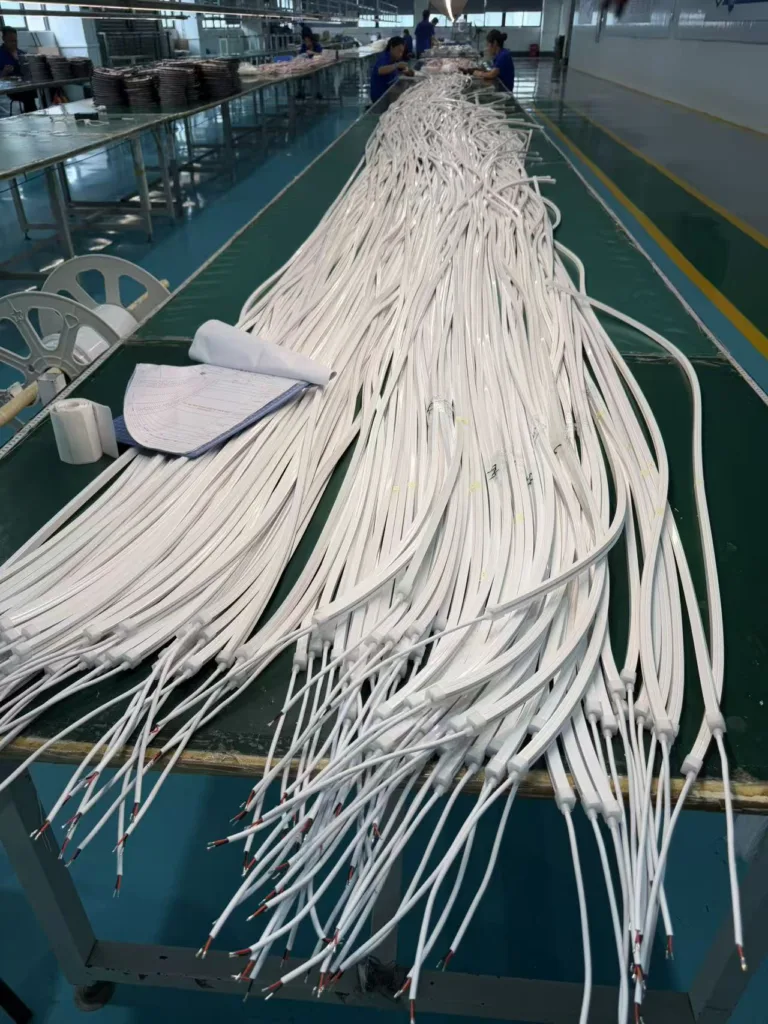
Most project teams focus on production country labels. They miss the critical point. Your LED neon flex system is not produced in one place. It is assembled from components sourced globally. LED chips may come from Japan. LED packaging may come from China. PCBs may come from Dongguan. Silicone may come from Germany or China. Power supplies may come from Taiwan or mainland China. Control systems may come from Europe. All these parts converge at one final assembly location. That location becomes your "production country." But that label tells you almost nothing about project risk.
This misunderstanding creates a dangerous gap. Teams write tender documents requiring products from specific countries. They assume consistency is guaranteed. Then production starts. Supply chain changes occur. Nobody notices. The project moves forward. Installation begins. Then someone on site notices color differences between batches. By that time, dozens of installations are already complete. The project enters crisis mode. Everyone starts asking: how did this happen?
What is the Most Common Mistake Made When Sourcing LED Products?
Most buyers treat production country as a risk management tool. They write specifications like "Product must be manufactured in Country X." They believe this simple requirement will protect their project. I see this approach fail repeatedly. The assumption looks logical on paper. But it ignores how modern LED manufacturing actually works.
The mistake is simple. Buyers confuse final assembly location with supply chain control. A product assembled in one country does not mean all its critical components come from that country. More importantly, it does not mean the supplier has locked down their component sources. Without locking down the Bill of Materials, LED binning specifications, driver solutions, material systems, and manufacturing processes, your project is exposed to uncontrolled variation. Production country tells you where the box was closed. It does not tell you what is inside that box or whether it will match your next order.
This error compounds over time. During the tender phase, procurement departments filter suppliers by production country. Design teams assume risk is now controlled. Tender documents do not define supply chain requirements beyond country of origin. Projects move into execution. Suppliers switch LED packaging factories. Procurement departments are not informed. This is allowed because the contract only specifies production country. The new packaging factory is in the same country. Second batch shipments arrive. Installation teams notice brightness differences. Design consultants notice visual effect changes. Brand owners notice inconsistency across their store network. The project is already in large-scale installation phase. Risk has fully materialized.
The consequences grow exponentially. Projects face delays. Teams must reconfirm material sources. They must reconfirm samples. They must restart approval processes. Budgets expand due to rework costs. Additional shipping costs accumulate. Reinstallation costs mount. Design solutions may need complete revision. Brand owners may reject final results. New lighting schemes must be developed. Project acceptance fails because site results do not match approved mockups. Responsibility disputes begin. Procurement says the supplier met country-of-origin requirements. Design says they assumed specifications were consistent. Construction says they followed drawings. Suppliers say tender documents did not restrict supply chain changes. Nobody accepts full responsibility. The project becomes a case study in failure.
Why Do International Retail Chain LED Projects Often Face Consistency Issues?
I worked with a project that perfectly illustrates this failure pattern. The project involved upgrading 120 retail stores for an international chain brand simultaneously. The project team included brand headquarters, lighting consultants, general contractors, regional construction teams, and LED neon flex suppliers. The design goal was simple: achieve unified nighttime visual appearance across all global stores. The brand's procurement team made what seemed like a smart decision. They required all LED products to come from one designated production country. They believed this would guarantee consistency.
This approach made sense to management. They thought unified production country equals unified quality. Their tender evaluation process became simpler. All suppliers who bid met the country-of-origin requirement. Everyone assumed product consistency was guaranteed. Nobody asked deeper questions. Which LED packaging factory supplies the chips? How is LED binning managed? Are substitute materials allowed? This lack of scrutiny created vulnerability.
The mockup store tested successfully. All stakeholders approved. Mass production began. Then something changed. Supplier A's primary LED source faced supply shortages. They switched to a backup packaging solution. This backup was still manufactured in the same designated country. Therefore, it did not trigger any approval process. The second batch of stores completed installation. Some regional managers noticed brightness and visual effect changes. Design teams began receiving feedback. Store counts exceeded 80 locations. Brand headquarters noticed the variation. Nighttime appearance across regional stores was inconsistent. Brand image suffered. The project lost control.
The final damage was severe. The project delayed by 11 weeks. Costs increased due to repurchasing some products. International logistics costs multiplied. Construction costs rose. Over 40% of stores faced delayed acceptance. Responsibility became impossible to assign. Procurement insisted suppliers met country-of-origin requirements. Suppliers claimed they did not violate contracts. Design teams said they were never notified of supply chain changes. Responsibility boundaries became completely blurred. Internal conflict erupted. Procurement and design teams blamed each other. Brand headquarters launched investigations. The client learned a hard lesson. They initially focused on where LED lights were produced. They ended up realizing they had no idea how LED lights were actually produced. The country label meant nothing without supply chain transparency.
How Can Large-Scale Architectural Projects Prevent LED Supply Chain Failures?
I also witnessed a project that successfully avoided this trap. This project involved architectural facade lighting for a large commercial complex. The project goal was to ensure consistent delivery throughout a staged supply period spanning 18 months. The original tender documents required products manufactured in a specified country. Beyond that, there were no supply chain constraints. The project technical director asked a critical question during the planning phase: "Are we controlling production country or supply chain structure?"
That single question triggered a comprehensive review. The team discovered the supplier operated multiple production facilities. Even if products came from the same country, they could originate from different factories. Most people missed this because they confused production country with production system. These are completely different concepts. Production country tells you a geographic location. Production system tells you how components are sourced, controlled, and validated across the entire manufacturing chain.
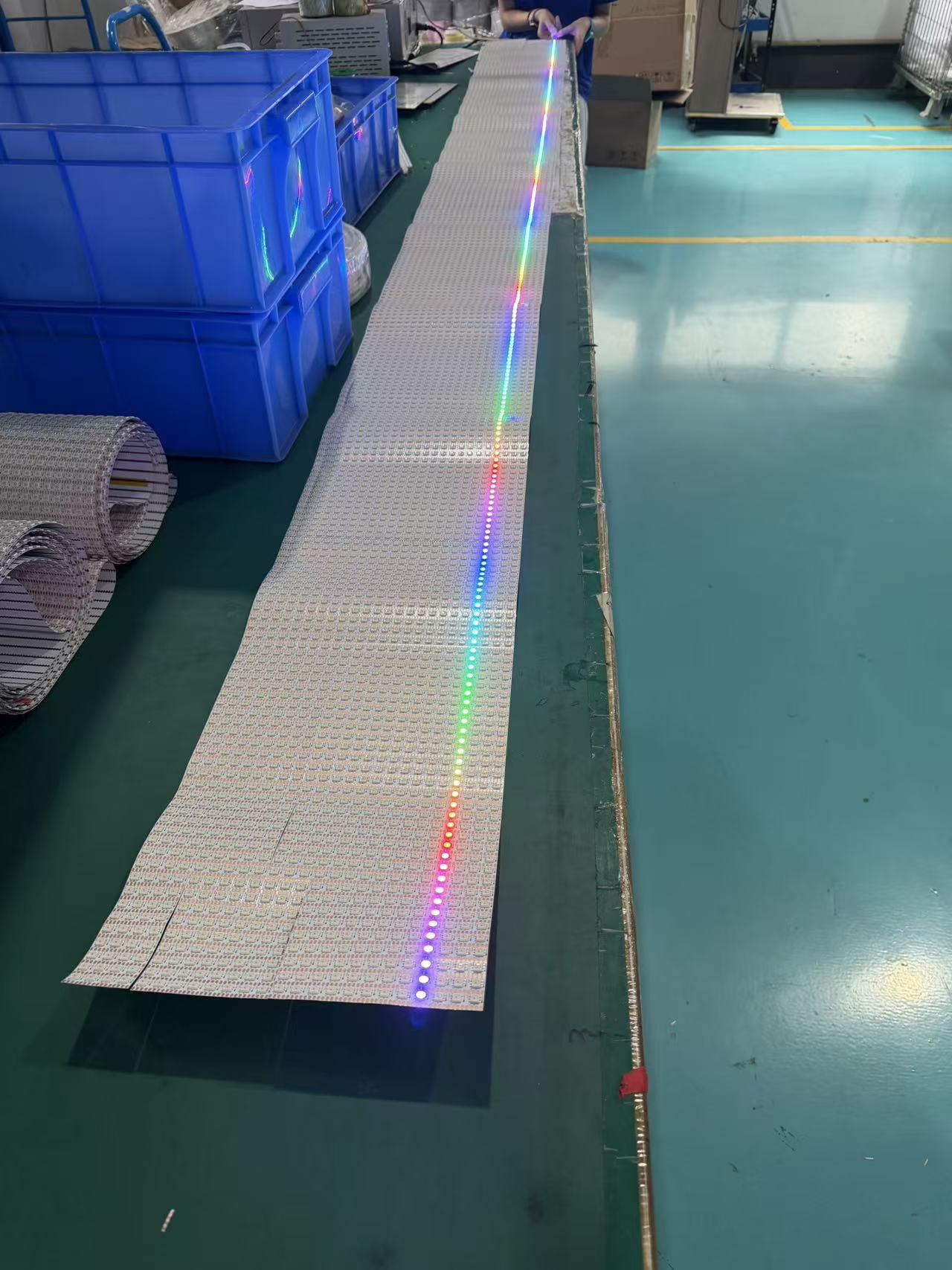
The project team immediately adjusted their approach. They modified contract parameters. They added requirements to lock down core components, lock down the Bill of Materials, and require written approval for any substitute materials. They revised specifications. Any supply chain change now required formal written approval. They added verification processes. These included first-batch verification, mid-project verification, and final-batch verification. They strengthened acceptance criteria. Suppliers had to file production facility information, material source documentation, and batch traceability records.
The results were dramatic. The project avoided mid-project supply chain switches. They saved schedule time by eliminating rework. The project completed on schedule. Disputes minimized because responsibility boundaries were clear. All parties executed according to unified standards. This approach succeeded because project management shifted focus. They stopped managing country names. They started managing supply chain structure. If the team had not made this adjustment, the project would almost certainly have experienced batch variations. This would have led to partial rework. The most valuable lesson: do not manage geographic labels; manage supply chain architecture.
What Are the Hidden Traps in LED Procurement Specifications?
Most tender documents contain structural weaknesses that expose projects to risk. The first trap is defining only the production country. A typical specification states: "Product shall be manufactured in Country X." This requirement does not define core component sources. It creates an illusion of control without actual control.
The second trap is the absence of factory lockdown mechanisms. When projects span more than one year, the same supplier may switch factories. Tender documents rarely restrict this. The third trap is the disconnect between samples and mass production. Samples may come from Factory A. Mass production may come from Factory B. The production country stays consistent. Project teams mistakenly believe risk is controlled. The fourth trap is missing supply chain change approval requirements. Many contracts do not specify that LED changes, PCB changes, material changes, or factory changes require reporting. This leads to loss of control. The fifth trap is blurred responsibility boundaries. Tender documents state only "must meet country-of-origin requirements." They do not state "must match approved sample supply chain configuration." When problems occur, responsibility cannot be assigned.
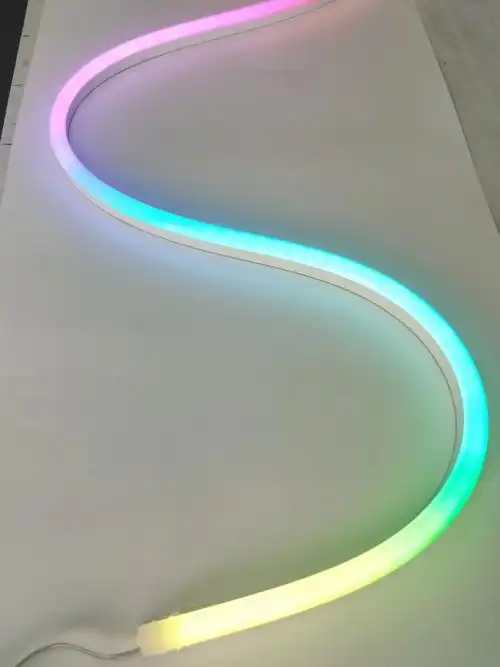
These traps combine to create perfect conditions for project failure. Teams believe they have protected themselves. In reality, they have created blind spots. The specifications look comprehensive. They satisfy basic compliance requirements. But they fail to address the actual mechanisms of LED manufacturing. They treat production like a black box. They assume that as long as the box has the right label, the contents will be consistent. This assumption is false. LED products are assembled from globally sourced components. Each component comes from its own supply chain. Each supply chain has its own variability. Without explicit controls over each layer, consistency cannot be guaranteed. The production country label does not replace component-level supply chain management.
I have reviewed dozens of failed LED projects. Almost all share the same specification weaknesses. They define outputs without defining inputs. They specify final assembly location without specifying component sources. They require quality without defining quality control mechanisms. They assume supplier integrity without implementing verification systems. These gaps are not visible during tender evaluation. They only become visible during execution. By then, contracts are signed. Supply chains are established. Changing course becomes expensive. The project is locked into a high-risk trajectory.
How Should Project Teams Structure LED Supply Chain Control?
Based on these experiences, I recommend a ten-point control framework for large-scale LED neon flex projects. First, redefine requirements. Do not define production country. Define supply chain structure. Specify key component sources. Require factory information. Make this part of your core requirements.
Second, expand technical specifications. Require suppliers to submit a complete Bill of Materials, factory list, and key material list as contract attachments. Third, implement sample verification mechanisms. Samples must include factory codes, production dates, and material sources to ensure traceability. Fourth, establish mockup testing protocols. After mockup approval, freeze supply chain configuration. Do not allow changes without formal approval. Fifth, design installation with tolerance for variation. Use regional acceptance and batch acceptance. Do not wait until all installations are complete to discover problems.

Sixth, establish supply chain control systems. Define primary supply chains and backup supply chains. Validate both in advance. Seventh, implement batch management. Require every batch to be traceable. Require all batch records to be retained. Eighth, strengthen acceptance standards. Add batch consistency checks, source consistency checks, and factory consistency checks. Do not check only production country. Ninth, clarify responsibility boundaries. Define who approves changes, who bears risk, and who conducts verification. Document these processes in writing. Tenth, create risk early warning mechanisms. Trigger immediate alerts when factory switches, material switches, component switches, or supplier switches occur. Prevent risks from reaching the construction site.
These ten points work together to create comprehensive supply chain visibility. They shift project management from reactive to proactive. They transform vague requirements into specific controls. They convert geographic labels into operational protocols. They make supply chain structure explicit rather than implicit. This approach requires more work during tender preparation. But it eliminates far more work during project execution. It prevents the cascade of failures that occur when supply chains change without visibility. It creates accountability at every level. It makes consistency achievable rather than assumed.
I have implemented this framework on multiple projects. The results consistently demonstrate its value. Projects using this approach experience fewer delays. They encounter fewer disputes. They achieve higher consistency. They deliver results that match original mockups. Clients gain confidence because they understand what they are buying. Suppliers gain clarity because they understand what they must deliver. Construction teams gain predictability because they receive consistent products. The entire project ecosystem benefits from explicit supply chain management.
Conclusion
The question "Where are LED lights produced?" seems to ask about manufacturing geography. But for large-scale LED neon flex projects, the real question is whether your project team controls a complete, traceable production system, supply chain system, and change management system. Most project failures do not occur because products are defective. They occur because teams treat production country as a risk control mechanism while ignoring supply chain definition, batch management, and change control.