Logo
搜索中...
Menu
Mcgardy J

Mcgardy J

Published Articles

Insights and updates from [email protected]

2026年4月14日 LED Neon Flex

Can IP67 Waterproof Flexible Silicone Bendable LED Extrusion Really Survive Long-Term Outdoor Use?

You install a brand-new IP67-rated silicone LED extrusion. The initial waterproof test passes perfectly. Six months later, you notice internal fogging. Another three months, and LEDs start failing intermittently. You check the outer shell—it looks flawless. But inside, silent corrosion has already begun. IP67 waterproof flexible silicone bendable LED extrusion maintains initial water resistance, but […]

2026年4月14日 LED Neon Flex

Can Flexible Silicone Lighting Really Bend Without Breaking Over Time?

We all love the idea of flexible lighting1 that curves around corners and follows any design we dream up. But here’s what keeps me awake at night: will it still work flawlessly after months of being bent and lit? Flexibility isn’t just about bending during installation—it’s about maintaining structural integrity2, consistent brightness, and color stability3 […]

2026年4月14日 LED Neon Flex

What Makes a Silicone Light Strip Actually Last?

You see it everywhere now: sleek, glowing silicone light strips1 wrapping around buildings, signs, pools. They look perfect in showrooms. But six months later? Yellow stains. Dark spots. Cracked edges. You keep replacing them, watching your maintenance budget explode while your client satisfaction drops. A silicone light strip isn’t just about silicone coating—it’s about whether […]

2026年4月14日 LED Neon Flex

Can an 8mm Silicone Tube Really Keep Water Out After a Year?

You install it. You test it. No leaks. You think you’re safe. Then six months later, you notice condensation inside. The lights flicker. The wiring corrodes. You check for cracks—nothing visible. But water got in anyway. An 8mm silicone tube1 can be waterproof—but only if the sealing interface maintains compression force2 under long-term pressure and […]

2026年4月14日 LED Neon Flex

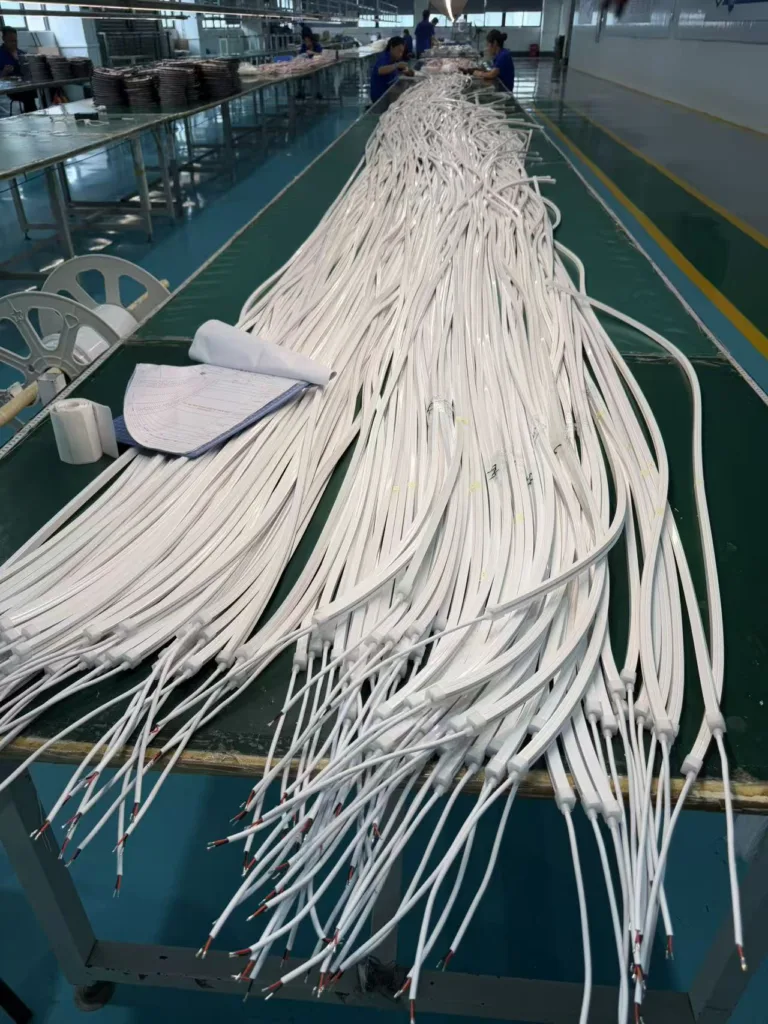
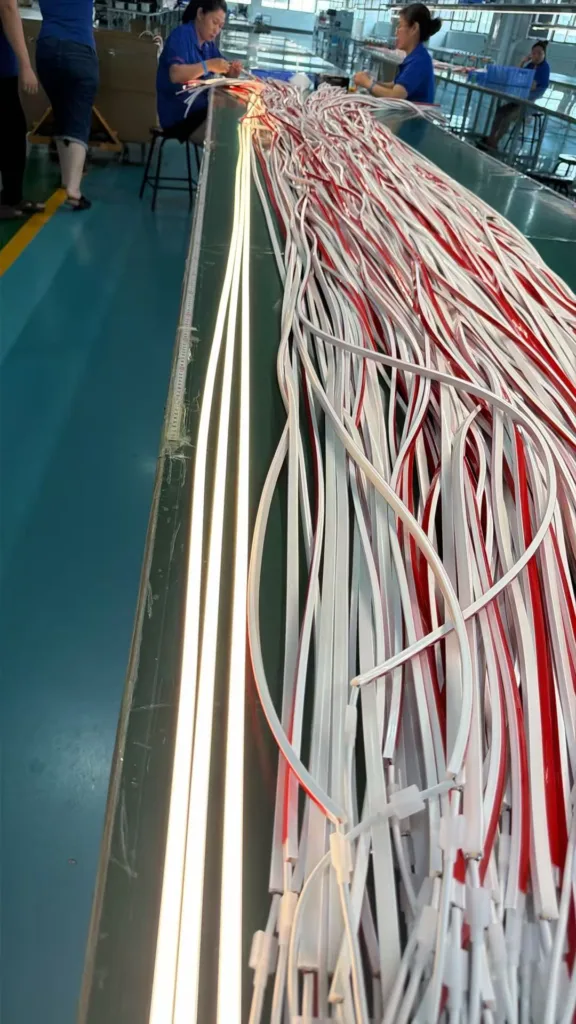
How is Neon Manufactured?

You see a glowing sign at night. It looks perfect. But six months later, the colors fade and parts go dark. You wonder why this happens. The answer lies not in how neon is made, but in how well its components work together over time. Neon manufacturing is not just about creating light—it is about […]

2026年4月14日 LED Neon Flex

What Materials Are Used in LED Manufacturing?

You’ve probably been burned by LED failures that looked perfect on paper. The chips passed. The encapsulant passed. Even the silicone housing cleared QC. Yet three months into deployment, you’re staring at catastrophic light decay, cracked packages, and water ingress. Sound familiar? LED manufacturing1 relies on four core material systems: semiconductor chips2 (GaN/InGaN), encapsulants (silicone/epoxy), […]

2026年4月14日 LED Neon Flex

EcoFlex LED Neon – RGB: Can It Really Maintain Color Consistency Over Time?

We’ve all seen those stunning RGB installations that look absolutely perfect on day one. The colors blend seamlessly, creating that premium atmosphere everyone wants. But here’s the uncomfortable truth: many of these systems start showing their true colors (literally) within months. The vibrant, uniform glow gradually transforms into patchy, dirty-looking light that screams “cheap.” Why […]

2026年4月14日 LED Neon Flex

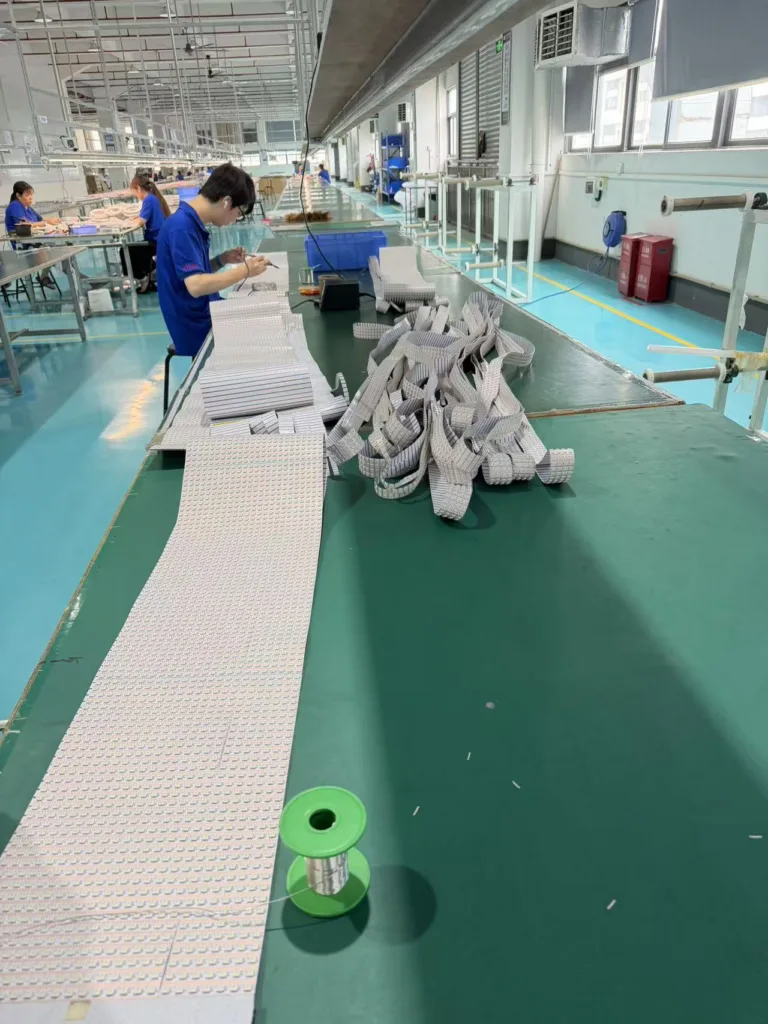
How Are LEDs Manufactured?

You order a batch of LEDs. The samples look perfect. Three months later, your installation starts flickering like a broken neon sign. The brightness drops. The colors shift. Your client calls, angry. You check everything—power supply, wiring, installation—all fine. The problem? The LEDs themselves are failing. This is not a defect. This is what happens […]

2026年4月14日 LED Neon Flex

Where are LEDs manufactured?

You ask about where LEDs come from. But here’s the real problem: your project might fail not because of the wrong country, but because your supplier changed the source without telling you. One batch works perfectly. The next batch looks like a different product entirely. LEDs are manufactured globally1, with major production concentrated in China, […]